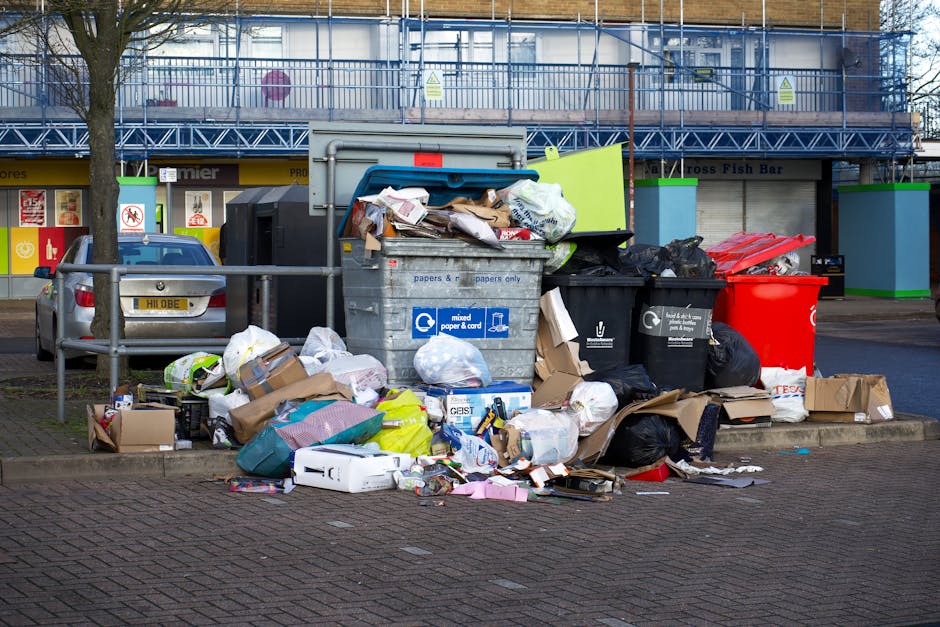
Office Clearance in Eltham

Office clearance in Eltham needs to be organised, practical and suited to the building, the timetable and the type of items being removed. We provide a focused clearance service for workplaces that are changing layout, closing a floor, moving out of a unit or simply reducing surplus office contents. That can include desks, chairs, filing cabinets, storage units, reception furniture, screens, small electrical items and general office clutter that has built up over time.
The service is arranged to keep the process straightforward for managers, landlords, facilities teams and business owners. A clear plan matters because offices often contain mixed materials, shared rooms and items that need separating carefully. We can handle single-room clearances as well as larger multi-area jobs, with the work shaped around access, item volume and the level of sorting required. Our aim is a tidy, efficient clearance that leaves the space ready for its next stage.
Start with the main items, the floor or rooms involved and the timing you need. If you are comparing options, a little detail at the outset helps us match the scope properly. You can use clear, practical notes rather than a long explanation, especially where furniture, archive boxes and old equipment are all involved. If you need a quotation, make a simple enquiry and we can take it from there.
Clearance for desks, seating and shared office furniture
Office furniture removal often makes up the core of the job. Desks may need dismantling before they can be taken out safely, while larger conference tables, pedestal units and shelving sometimes need more careful handling through narrow corridors or lift access. We also remove meeting room seating, visitor chairs and soft furnishings where they are part of the outgoing office fit-out. The work is planned to reduce disruption and keep movement through the building controlled.
When furniture is being cleared from a working premises rather than an empty one, the sequence matters. Items can be taken room by room, helping teams keep essential workstations in place until the last practical moment. Where suitable, our approach can separate reusable furniture from general office waste so the clearance remains organised from start to finish. If you need a broader overview of what we handle, see our office clearance service page.
Useful office furniture jobs often include:
- single desks, bench desks and workstation runs
- task chairs, visitor chairs and boardroom seating
- cabinetry, cupboards and lockable storage
- reception furniture and breakout-area items
- modular shelving and other bulky office fixtures
Equipment, paperwork and the practicalities of sorting contents

Office clearances rarely involve furniture alone. Many sites also contain IT equipment, cable runs, printers, monitors, telephones and boxes of archived paperwork. These items need to be dealt with in a sensible order so that the space can be cleared without overlooking anything important. We work through the contents of each area carefully, separating general refuse from items that may need special handling or additional attention before removal.
For business customers, a good clearance usually starts with a brief inventory of what stays and what goes. That can be as simple as marking essential equipment, identifying storage rooms and noting whether archive material is to be retained, destroyed or removed with the rest of the contents. It is often easier to begin with the rooms that contain the most obvious surplus and then move through the remaining areas systematically. If you are reviewing budget options, our pricing and quotes page explains the kind of information that helps shape a quote.
Where offices contain mixed contents, we keep the emphasis on order and separation. That includes avoiding unnecessary disruption to working areas, handling shared cupboards with care and making sure the clearance matches the instructions given. The aim is not simply to empty rooms quickly, but to remove the right items in a way that supports a smoother handover, move or refit.
Warehouse-style back rooms, storage areas and awkward access
Many offices in and around Eltham include storage cupboards, basements, rear rooms or side access points that collect surplus items over time. These spaces can be deceptively full, with old folders, broken office chairs, spare parts, packaging and unused equipment stacked in a way that makes clearance more involved. We approach these areas methodically so that items are removed in a workable sequence rather than rushed through without proper sorting.
Access is often the deciding factor in how the job is organised. Narrow stairs, shared entrances, car parks, loading points and restrictions on vehicle positioning can all shape the clearance plan. Where access is limited, it helps to know in advance which rooms are involved and whether there are any items that are too large to move intact. If the site includes storage that you no longer need, our business waste removal page gives a useful overview of wider commercial waste work.
We can also help where the office contains a mixture of clear-away items and materials that need more careful treatment. That may include old fixtures, offcuts from previous alterations or accumulated items from several departments. By treating the storage areas as part of the overall clearance rather than an afterthought, the job stays manageable and the remaining spaces are easier to use again.
Office moves, lease ends and planned handovers

Office clearances are often tied to a move, an end of tenancy or a final handover to a landlord or managing agent. In those situations, the sequence of work is important because the office may need to be emptied while still allowing access for cleaning, repairs or last-minute checks. We can support clearances that involve staged removal, with the emphasis on getting the contents out in a sensible order and leaving the area ready for the next step.
Some customers want to clear only the surplus items after a move has already started, while others need a fuller emptying once desks, screens and storage have been taken elsewhere. Either way, it helps to identify any items that must remain on site, especially if furniture is being reused in another branch or stored temporarily. For more details on related domestic-style work, you can also view our flat clearance page, which sits alongside our broader clearance services.
The right timing can make a significant difference to how smoothly the work runs. A clearance carried out too early can interfere with business continuity, while leaving it too late can complicate the exit. We therefore keep the focus on practical scheduling, clear instructions and an agreed scope that matches the room use and the move programme.
Office clearance and the handling of mixed waste streams
Offices generate more than one type of waste, and a sensible clearance needs to reflect that. General rubbish, cardboard, redundant furniture, light fittings, filing and broken equipment may all appear in the same premises. We organise the work so that these mixed materials are separated as far as practical, which helps keep the clearance more orderly and makes the overall job easier to manage on site.
Where an office has been operating for some time, the contents can include a combination of stored papers, out-of-date marketing material, spare supplies and items left behind after staff changes. That is one reason a structured clearance is useful: it prevents the job from becoming a simple pile-and-go exercise. If your premises also has outdoor storage or a small yard area to clear, our waste removal service can be a relevant option alongside office-specific work.
We do not assume that every clearance is identical. Some need only a few bulky removals; others require a more thorough emptying of rooms, cupboards and ancillary spaces. The important point is that the scope should reflect what is actually present, with room for useful separation where needed and a clear approach to the final removal.
About Eltham
Eltham is a district in south-east London with a long history that reaches back well before its modern suburban character took shape. At its heart stands Eltham Palace, a site whose medieval origins and later 20th-century transformation make it one of the most distinctive landmarks in the area. The wider district includes a mixture of older streets, interwar housing, local shopping frontages and civic spaces that reflect different phases of growth. Eltham High Street acts as a central axis, linking daily retail activity with bus routes and local services, while the surrounding roads show the gradual spread of residential development across what was once a more rural landscape. The area is also known for its green spaces, including Eltham Park South and Eltham Park North, which offer open ground and tree-lined paths within the built-up neighbourhood. To the south and east, the landscape becomes more varied, with the District Line not reaching this part of London and rail connections instead shaping movement through nearby stations and local routes. Eltham sits within the Royal Borough of Greenwich, so its identity is closely tied to the borough’s wider mixture of heritage, residential growth and access to parts of south-east London. Religious buildings, schools and community facilities add to the layered character of the district, while the surviving historic street pattern gives it a more settled feel than some newer suburbs. Taken together, the area combines prominent historic architecture, everyday shopping streets, parks and residential neighbourhoods in a way that makes it recognisably part of London yet distinct in its own setting.
Furniture disposal, reuse and sensible onward handling
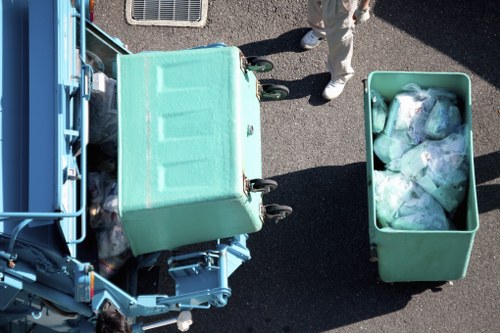
Some office clearances involve furniture that is no longer suitable for use in the same premises but may still be in usable condition elsewhere. Where that is the case, it is sensible to think about the items in groups rather than as one mass of waste. We can remove office furniture as part of a clearance that prioritises sensible onward handling, particularly when a client wants the room emptied without unnecessary handling of items that could be separated more carefully.
The same principle applies to mixed furniture loads containing storage cabinets, table systems, reception pieces and smaller loose items. A careful approach helps avoid damage during removal and keeps the work organised as items are taken from different rooms. If your project includes household-style furnishings as well as commercial pieces, our furniture clearance page gives a broader view of that type of removal.
In some offices, the biggest challenge is not volume alone but variety. A room may include a few substantial items and many smaller ones, each needing different handling. That is why a clear scope and a simple room-by-room plan often produce the best result, especially when the office still needs to function during part of the clearance.
Planning the work around access, safety and building rules
Every office building has its own practical limits. Some have tight corridors, shared lifts, booking requirements for loading bays or rules about where items may be placed before removal. We take those factors into account when planning the clearance so that the job can proceed without avoidable friction. This is particularly important in multi-tenant buildings where common areas must be kept clear and considerate use of access routes matters.
Health and safety considerations are part of any well-run office clearance, especially when furniture is bulky or equipment needs to be disconnected before moving. It helps to know in advance whether any items are fixed, whether there are fragile surfaces nearby and whether there are rooms that should be left until the end of the job. You can read more about our general approach on the insurance and safety page, which sits alongside the service information.
A well-planned clearance saves time on site because it reduces confusion about access, item order and what remains in place. Rather than treating every room the same, we work with the structure of the premises and the nature of the contents. That gives the job a sensible flow and helps avoid avoidable delays.
How to prepare a quotation request

To request a quotation, it helps to provide a brief summary of the premises, the rooms involved and the main item types to be cleared. If the office is spread across more than one floor, or if some areas contain storage rather than desks, that is useful to mention from the start. Photos can also be helpful where the load is hard to describe, but they are best used to supplement a clear written outline rather than replace it entirely.
Try to note whether the clearance is for a full emptying, a partial tidy-up or the removal of particular categories of furniture and equipment. It is also sensible to say whether access is straightforward or whether there are stairs, shared entrances or restricted loading arrangements. For more general background on waste handling and related disposal considerations, our recycling and sustainability page may be useful alongside the service pages.
If you are ready to arrange a quote, send the basic scope and ask for the next step. If you are still comparing service pages, keep the main items in mind and make a note of anything that needs special handling. Either way, a concise enquiry is usually enough to start the process. Request a quotation when you are ready.
What affects the scope of an office clearance
Office clearances vary because buildings, contents and access arrangements vary. A compact suite with a few desks and cupboards presents a different job from a multi-room office with storage, old files and bulky equipment. The best quotation will reflect the actual scope rather than an assumed one, which is why a short description of the premises and the contents is more helpful than a vague request for “everything to goâ€.
One useful way to think about the job is by category. Furniture, paperwork, equipment and miscellaneous stored items each bring their own handling needs, and a single office may contain all four. If there are items that need to remain on site, they should be separated clearly before the clearance starts. That helps avoid unnecessary movement and keeps the job aligned with the customer’s instructions.
For customers comparing related services, our house clearance page and home clearance page show the difference between domestic and office-based work. The underlying principle is similar — remove the agreed items carefully and leave the space orderly — but the details of an office job are usually shaped by access, shared areas and business continuity.
Final checks, additional rooms and useful service options
Before the clearance is completed, many customers like to review the final rooms, cupboards and storage points to ensure nothing needed has been left behind. That final check is often worthwhile where multiple teams use the same premises or where a move has taken place over several days. We can work through the agreed scope methodically so that the clear-out reflects the plan set at the start rather than whatever happens to be most visible on the day.
Some offices also need related clearance work in a garage, loft or outbuilding used for documents, spare furniture or old stock. Where that kind of extra space forms part of the project, it can be sensible to look at the relevant service page for the area in question. Our garage clearance page is one example of a related option for ancillary storage spaces, while the main office work remains the central focus here.
If your premises includes furniture from several departments, or if the work is spread across more than one room, the easiest route is to send a clear description and ask for a quotation. We can then match the clearance to the actual contents and access, rather than relying on guesswork. That gives you a more realistic starting point and makes the next step easier to organise.