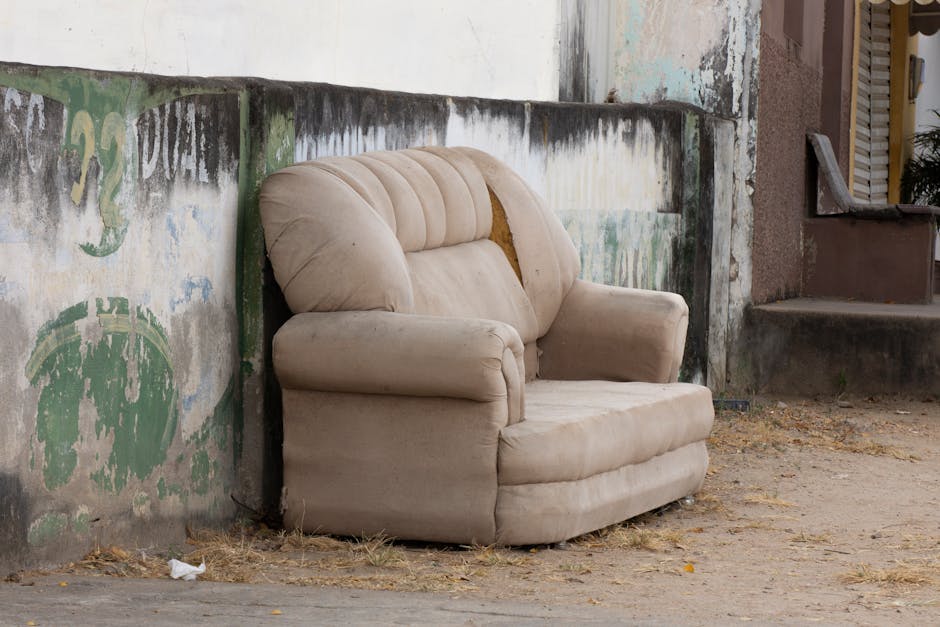
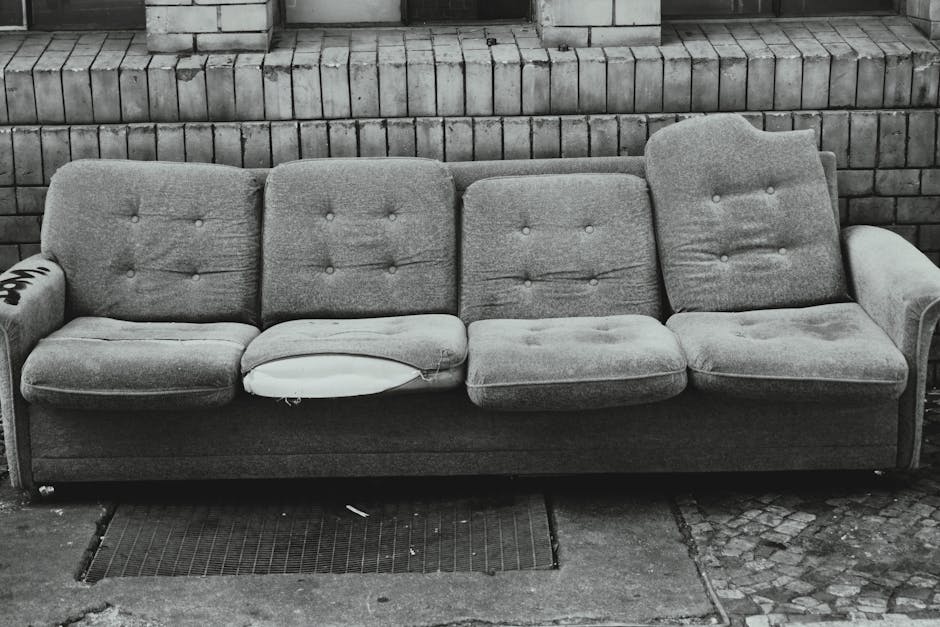
Sofa Removal Success Story on Eltham High Street
If you have ever tried to move an old sofa through a narrow hallway, down a tight stairwell, and out onto a busy high street without scuffing the walls, you already know why a proper sofa removal service matters. The Sofa Removal Success Story on Eltham High Street is not just about lifting furniture. It is about planning, timing, access, safety, and making the whole thing feel oddly calm for the person on the other side of the job.
On Eltham High Street, that can mean working around parked cars, shopfronts, flats above commercial units, awkward entrances, and the general rhythm of a local London street. It is rarely dramatic, but it does need care. This guide breaks down how a sofa removal job becomes a success, what usually goes wrong, and how to make the process smoother from the start. If you are comparing options, trying to avoid stress, or simply wanting the old settee gone without the faff, you are in the right place.
One thing becomes clear very quickly: a good removal is never just about muscle. It is about judgement.
Table of Contents
- Why Sofa Removal Success Story on Eltham High Street Matters
- How Sofa Removal Success Story on Eltham High Street Works
- Key Benefits and Practical Advantages
- Who This Is For and When It Makes Sense
- Step-by-Step Guidance
- Expert Tips for Better Results
- Common Mistakes to Avoid
- Tools, Resources and Recommendations
- Law, Compliance, Standards, or Best Practice
- Options, Methods, or Comparison Table
- Case Study or Real-World Example
- Practical Checklist
- Conclusion
- Frequently Asked Questions
Why Sofa Removal Success Story on Eltham High Street Matters
A sofa removal might sound simple from the outside. It is one item. Usually bulky, sometimes heavy, often awkward, and nearly always in the way. But on a practical level, sofa disposal touches a surprising number of concerns: access, safety, disposal methods, recycling, timing, and respect for shared spaces.
On a local street like Eltham High Street, those concerns matter even more. Flats above shops, tighter pavements, shared entrances, and busy traffic can turn a straightforward job into a slow one if it is not handled properly. A "success story" in this context means the sofa leaves the property quickly, the route is planned, the property stays protected, and the customer does not spend the day wondering if the thing will fit through the door. That is the real win.
It also matters because people do not usually book sofa removal when everything is relaxed. They book it because they are moving, redecorating, replacing old furniture, clearing a property, or dealing with an item that has become one frustration too many. You know the feeling. The sofa has somehow become part of the room's geography, and not in a charming way.
Expert summary: A successful sofa removal is less about speed alone and more about getting the item out safely, legally, and without creating extra work for the customer or the building.
In real life, that means the job should feel organised rather than chaotic. If a service can manage that on a narrow London street, it usually means they can handle a wide range of furniture clearance jobs with confidence.
How Sofa Removal Success Story on Eltham High Street Works
The process is usually more structured than people expect. A reliable removal job starts before anyone lifts a single corner. The first stage is understanding the furniture, the access, and the end goal. Is the sofa going to be reused, recycled, or taken as part of a wider clearance? Is it a two-seater, three-seater, corner unit, sofa bed, or something with detachable sections?
From there, the team looks at access. That might sound like a small detail, but it is often the detail that decides everything. Door widths, stair turns, lifts, parking space, hallway corners, and even the floor surface all matter. A job can go from neat to messy very fast if the access is guessed instead of checked.
Then comes the actual removal. Good practice usually includes protecting walls and floors where needed, using proper lifting technique, and making sure the item is carried in a way that does not block the street longer than necessary. If the sofa is large or awkward, it may need to be rotated, separated, or moved by two people rather than one. No heroics. Just common sense.
If a sofa is still in usable condition, some customers may prefer a clearance route that keeps items in circulation where possible. If it is damaged, stained, or worn out, then disposal or recycling becomes the practical route. In either case, a professional approach is about choosing the right handling method, not forcing every item into the same process.
That is why services such as furniture clearance and furniture disposal are useful to consider alongside sofa removal. The item may be "just a sofa" to the customer, but from an operational point of view, it sits inside a bigger furniture-handling system.
Key Benefits and Practical Advantages
The most obvious benefit is obvious for a reason: you get the sofa out of the property without lifting it yourself. But there are several other advantages worth understanding, especially if you are deciding whether to book help or try to manage it independently.
- Less physical strain: Sofas are awkward, not just heavy. Twisting them through a doorway can strain backs, shoulders, and wrists.
- Lower risk of damage: Professional handling reduces the chance of scraping walls, denting frames, or marking floors.
- Faster turnaround: What might take you an afternoon can often be completed much more efficiently with the right team.
- Better disposal outcomes: Items can be assessed properly for reuse, recycling, or disposal.
- Less disruption to neighbours or passers-by: On a busy road, keeping the move tidy and brief matters.
There is also a quieter benefit people do not always mention: peace of mind. Once the sofa is gone, the room feels different. Bigger, cleaner, less awkward. The space opens up. You can hear it, almost, in the way the room stops feeling cramped.
For landlords, letting agents, shop owners, and homeowners alike, that matters. A successful sofa removal supports the wider goal, whether that is preparing for new tenants, clearing after a move, or making space for a replacement item.
If your project extends beyond one item, a broader home clearance or house clearance can sometimes be more efficient than booking multiple separate removals. That is especially true when the sofa is only one part of a longer list.
Who This Is For and When It Makes Sense
Sofa removal is not just for people moving house. In practice, it is useful for a wide mix of situations, and that is why the topic shows up so often in real searches.
You might need it if:
- you are replacing a worn-out sofa and need the old one gone quickly
- you are preparing a flat, maisonette, or above-shop property for new occupants
- you have inherited furniture that will not be kept
- you are clearing a rental property between tenancies
- you are rearranging a living space and the old sofa is no longer suitable
- you need to remove bulky furniture from a commercial or mixed-use premises
Sometimes the trigger is simple: the sofa does not fit the new layout, or it has passed the point where repair makes sense. Truth be told, many removals happen because furniture lives a longer life than the room does. The sofa is still there, but everything around it has changed.
This is also where local geography matters. If access is straightforward, the job is usually simple. If the sofa sits on an upper floor, or the building has shared access, or there is awkward parking outside, it becomes more sensible to use a team that understands those conditions. That is where a service with local experience tends to make a visible difference.
For larger or more mixed loads, sofa removal often sits alongside flat clearance or even a wider waste removal job. That combination can save time and reduce repeated visits, which, let's face it, nobody wants if the street is already busy and you are watching the clock.
Step-by-Step Guidance
If you want a smooth sofa removal, the best results usually come from a simple sequence. Nothing fancy. Just a sensible order of operations.
- Measure the sofa and the route out. Check width, height, and any tight bends in hallways or stairs.
- Clear the area around it. Remove cushions, throws, lamps, side tables, and anything likely to snag.
- Check access outside. Make sure parking, entry points, and pavement space are workable.
- Decide whether the sofa is reusable or disposable. That affects the best handling route.
- Book the right service. Match the job to furniture removal, clearance, or disposal rather than guessing.
- Prepare the property. Protect corners, open doors, and keep pets or children out of the way.
- Confirm what happens next. Ask how the sofa will be handled after collection.
A small tip that makes a big difference: take a minute to photograph the access route before collection. Not because the job is complicated, but because it helps you spot the awkward bit you would otherwise forget. That little landing step. The narrow turn. The door that opens the wrong way. Happens all the time.
If the sofa is part of a broader cleanout, it can be worth grouping the task with services like loft clearance, garage clearance, or office clearance depending on the setting. The point is to avoid piecemeal removal when a single planned visit would do the job better.
Expert Tips for Better Results
After enough furniture removals, a few patterns become hard to ignore. The same things make jobs easier again and again. Small adjustments, mostly. But they matter.
- Measure twice, lift once. It sounds obvious, but most access problems start with assumptions.
- Keep a straight route clear. Even a small shoe rack or plant stand can create a needless snag.
- Tell the team about stairs, lifts, or parking limits in advance. Surprises at the door slow everything down.
- Ask how the item will be handled. Reuse, recycling, and disposal are not the same thing.
- Bundle related items where sensible. A sofa, chair, and footstool are often better collected together than separately.
One particularly useful habit is to treat the removal as a mini project rather than a random errand. That sounds slightly dramatic for a sofa, I know. But it helps. When people prepare properly, they avoid the last-minute scramble where someone is dragging cushions into the kitchen while the collection team is already at the door.
Another tip: if you are replacing the sofa, arrange the removal before the delivery of the new one if possible. That way, you do not end up playing furniture Tetris in the hallway. Not ideal, that.
If sustainability is important to you, it can also help to ask about recycling and recovery routes. The service page on recycling and sustainability is worth looking at if you want a clearer sense of responsible disposal principles.
Common Mistakes to Avoid
Most sofa removal problems are predictable. That is the annoying part. They are usually not bad luck; they are planning gaps.
Here are the mistakes that cause the most friction:
- Guessing the sofa will fit through the door. It might. It also might not.
- Forgetting to measure stair turns or landings. A sofa can be "short enough" and still impossible to angle.
- Leaving loose items inside the furniture. Cushions, covers, or hidden bits add delay and mess.
- Not telling anyone about access issues. A rear entrance, buzzer system, or parking restriction should be mentioned early.
- Assuming all furniture is handled the same way. Different items need different treatment.
- Leaving the job until the last minute. If you are moving or refurbishing, timing matters more than people think.
There is also the classic mistake of underestimating how emotionally annoying bulky furniture can be. It sits there. It blocks the room. It becomes part of the mental to-do list. And then suddenly it is all you can see.
Avoiding those mistakes does not require expertise. Just a little honesty about the space, the item, and the amount of effort involved.
Tools, Resources and Recommendations
You do not need specialist tools to prepare for sofa removal, but a few simple things make the job easier.
- Measuring tape: Useful for checking sofa width, stair width, and door clearance.
- Masking tape or notes: Handy if you want to mark corners or measure tight spots.
- Protective covers or blankets: Helpful if the route is narrow or the sofa brushes walls.
- Clear phone photos: Useful for sharing access details before collection.
- Basic declutter supplies: Bin bags, boxes, and labels if the sofa is part of a larger tidy-up.
For people dealing with more than one room, the following services can be relevant depending on the setting: flat clearance, furniture clearance, house clearance, and home clearance. Each has a slightly different practical focus, so the right choice depends on what is actually being removed.
If you are comparing providers, check whether they are clear about scheduling, handling, and what happens to the items afterwards. Transparency is a good sign. So is a straightforward explanation. Overcomplicating a sofa removal is, frankly, a bit of a red flag.
Law, Compliance, Standards, or Best Practice
For sofa removal, the compliance side is mostly about responsible waste handling, safe lifting, and correct disposal routes. In the UK, furniture should not just be dumped casually, and businesses handling removals are expected to act in a way that supports lawful waste management and safe working practices.
From a practical point of view, best practice usually means:
- using suitable lifting methods and enough staff for the weight and shape of the item
- protecting property during removal where needed
- sorting items for reuse, recycling, or disposal responsibly
- avoiding obstruction or unsafe handling on pavements, stairwells, or access routes
- being clear about what is included in the job
Where furniture is being removed from homes, flats, or business premises, customers should also expect clear communication about how items are treated. That matters if the sofa is upholstered, damaged, or mixed with other materials that affect disposal. No need for alarm. Just clarity.
For businesses, especially those operating from premises on or near the high street, the practical standard is usually about keeping disruption low and the site tidy. That is why reliable business waste removal can be relevant in mixed-use or commercial settings.
There is also the trust factor. A provider that is transparent about insurance and safety gives you a more comfortable basis for booking. It is not about jargon. It is about knowing that the job is being handled with care.
Options, Methods, or Comparison Table
Different sofa removal methods suit different situations. Here is a simple comparison to help you think it through.
| Method | Best for | Pros | Limitations |
|---|---|---|---|
| Self-removal | Small sofas, easy access, strong helpers | Can be cheap if you already have transport | Risk of injury, damage, and disposal headaches |
| Man-and-van style collection | Single items or a few bulky pieces | Flexible and usually quicker than doing it yourself | Not always ideal for larger clearances |
| Furniture clearance service | Reusable or mixed-condition furniture | Good for one or several items | May need more detail about item condition |
| Full waste removal visit | Sofa plus other unwanted items | Efficient for bigger clear-outs | Can be more than you need for one item |
The right answer depends on the context. A single sofa from a ground-floor flat might be easy to arrange. A sofa bed from an upper floor above a shop, not so much. Same object, completely different job.
If pricing is on your mind, it helps to look at the full picture rather than just the collection headline. Access, load size, item condition, and wider clearance needs all influence the final estimate. The pricing and quotes page is a sensible place to start if you want to understand how a provider frames the job.
Case Study or Real-World Example
Here is a realistic example based on the kind of sofa removal job that often happens on a busy local street. A customer on Eltham High Street needed to remove a three-seater sofa before new flooring was installed. The sofa was large, the hallway was narrow, and the front door opened onto a street with limited stopping space. A straightforward job on paper, but not one to improvise.
The first useful step was checking the access route before collection day. The team confirmed the stair turn, the doorway width, and where the sofa would need to pivot. They also checked the timing so the removal would not clash with heavier street activity. That small bit of planning made a real difference.
On the day, the sofa was removed cleanly without scratching the walls or blocking the pavement for long. The customer avoided the stress of trying to wrestle it out alone, and the room was ready for the next stage of the renovation. Nothing dramatic happened, which is usually the sign of a job done well.
That is the heart of the success story, really. No fuss, no near-miss, no "well, that was harder than expected" conversation halfway through the stairs.
In a larger property, the same approach can be used for other spaces too, such as garage clearance or loft clearance. The principle stays the same: check access, plan the route, and remove the pressure before it starts.
Practical Checklist
Use this quick checklist before booking or preparing a sofa removal.
- Measure the sofa, doorways, hallways, and stair turns.
- Confirm whether the sofa is reusable, damaged, or ready for disposal.
- Clear the path from the room to the exit.
- Remove cushions, throws, and small accessories.
- Check parking, loading access, and building entry details.
- Tell the provider about narrow stairs, lifts, locked doors, or restricted access.
- Ask how the sofa will be handled after collection.
- Group other unwanted items together if it makes sense.
- Choose a date that avoids clashes with deliveries or refurbishment work.
- Keep children, pets, and fragile items away from the route.
Checklist done, stress down. Simple as that. Well, mostly simple.
Conclusion
The reason the Sofa Removal Success Story on Eltham High Street stands out is because it reflects what people really want from furniture removal: a smooth process, a safe result, and no unnecessary drama. The best jobs are the ones that feel almost invisible by the end. The sofa is gone, the room is open again, and the customer can get on with the part they actually care about.
Whether you are clearing a flat, refreshing a living room, or managing a wider property cleanout, the key is the same. Measure carefully, plan the access, choose the right service, and do not leave the awkward bits to chance. That small bit of preparation saves a lot of hassle later.
If you are comparing options and want a clearer path forward, start with the facts of the job rather than the size of the furniture. Access, timing, and disposal route matter more than most people realise. And once those are sorted, the rest usually falls into place.
Get a free quote today and see how much you can save.
Sometimes the best home improvement is simply clearing the space to breathe a little easier.
Frequently Asked Questions
What makes a sofa removal on Eltham High Street different from a standard collection?
Local street conditions matter. Busy pavement space, parking restrictions, shared entrances, and flats above commercial units can make access more complex than a simple driveway collection.
Can you remove a sofa from an upstairs flat?
Yes, in many cases. The main factors are stair width, landing space, doorway clearance, and whether the sofa can be moved safely without damage.
Do I need to prepare the sofa before collection?
It helps to clear cushions, blankets, and nearby furniture. You do not usually need to dismantle anything unless the access route is very tight.
What happens if the sofa does not fit through the door?
That is why measuring matters. If the sofa cannot pass through safely, the team may need to try an alternate angle or discuss another approach. Good planning reduces this risk.
Is sofa removal the same as furniture disposal?
Not exactly. Sofa removal refers to the physical collection and movement of the item. Furniture disposal refers to what happens after collection, including recycling or lawful disposal.
Can a sofa be collected with other items?
Yes, often it can. If you have extra furniture or general clutter, bundling the job with a broader clearance can be more efficient.
How long does a sofa removal usually take?
That depends on access and item size. A straightforward ground-floor collection may be quick, while an upper-floor or awkwardly placed sofa takes longer.
What if my sofa is damaged or broken?
That is usually not a problem. In fact, many removals involve damaged or worn furniture. The condition mainly affects how the item is handled after collection.
Should I use a furniture clearance service or waste removal service?
If the job is mainly furniture, a furniture clearance service is often the better fit. If you are clearing a broader mix of items, waste removal may be more suitable.
Can sofa removal help with a moving day?
Yes. It can remove one of the bulkiest items before or during the move, which makes packing and room layout far easier. That alone can save a lot of grief.
What should I ask before booking?
Ask about access needs, item handling, disposal routes, and whether the collection can be combined with other furniture or property clearance work.
Does sustainability matter in sofa removal?
It does. Responsible handling can help items be reused or recycled where possible, which is better than sending everything down the same route without thought.