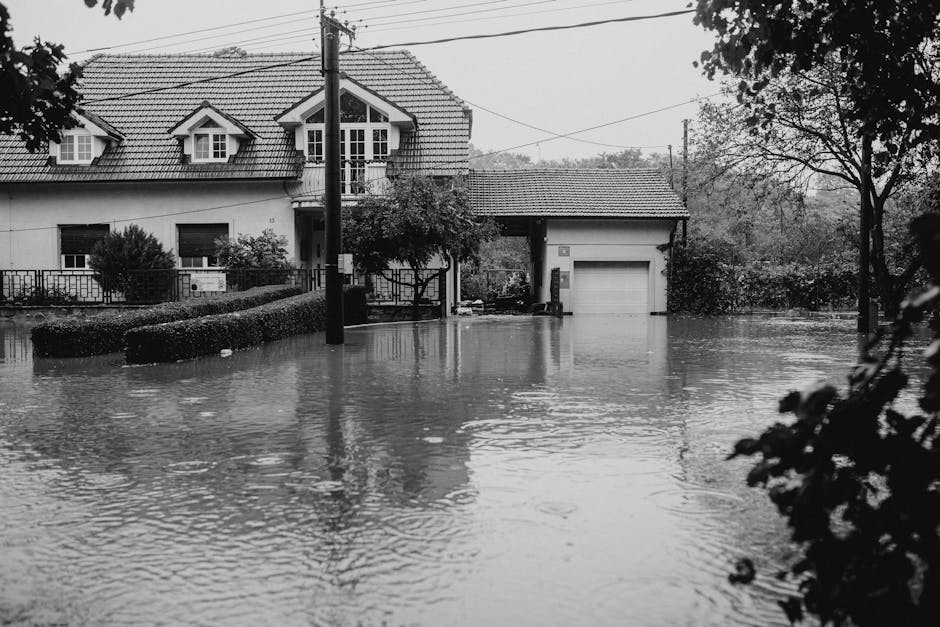
Emergency Flood-Damage Rubbish Clearance in Eltham Now
When floodwater gets into a home, flat, office, garage, or storage space, the mess is rarely just "a bit of damp." It can mean broken furniture, contaminated debris, ruined carpets, warped wood, damaged paperwork, and that heavy, muddy smell that seems to cling to everything. If you need Emergency Flood-Damage Rubbish Clearance in Eltham Now, the priority is simple: clear the unsafe waste quickly, reduce the risk of further damage, and make the space workable again.
In real life, flood clearance is not just a tidy-up. It is a practical response to a stressful situation. You may be trying to keep access open for drying, protect health, salvage what can be saved, and stop the property from becoming a bigger problem by the hour. This guide explains how emergency flood-damage rubbish clearance works, what to do first, what to avoid, and how to choose sensible next steps in Eltham. Truth be told, when water has been sitting for even a short time, hesitation tends to make everything harder.
This article also helps you think through the wider clearance picture, whether the affected space is a family home, a flat, a garage, a loft, or an office. If you are comparing options, it may also be useful to look at related services such as waste removal, house clearance, or home clearance where flood-related items form part of a larger job.
Table of Contents
- Why Emergency Flood-Damage Rubbish Clearance in Eltham Now Matters
- How Emergency Flood-Damage Rubbish Clearance in Eltham Now Works
- Key Benefits and Practical Advantages
- Who This Is For and When It Makes Sense
- Step-by-Step Guidance
- Expert Tips for Better Results
- Common Mistakes to Avoid
- Tools, Resources and Recommendations
- Law, Compliance, Standards, or Best Practice
- Options, Methods, or Comparison Table
- Case Study or Real-World Example
- Practical Checklist
- Conclusion
- Frequently Asked Questions
Why Emergency Flood-Damage Rubbish Clearance in Eltham Now Matters
Flood-damaged rubbish is not ordinary clutter. Once items have been soaked, they can become heavier, unstable, and more hazardous to handle. Soft furnishings may grow mould quickly, chipboard can collapse when lifted, and mixed waste can hide sharp edges, broken glass, and contaminated material. If the flooding involved dirty water, the risk level goes up again. Nobody wants to be the person lifting a sodden sofa only to find the floor beneath it is softer than expected. Not a fun moment.
In Eltham, where homes and businesses often need to keep access routes clear and get life back to normal fast, emergency clearance helps in three important ways. First, it reduces immediate risk: slipping, tripping, and contamination. Second, it creates space for drying and repairs. Third, it stops the damage from spreading into adjacent rooms, hallways, or storage areas. A clear room can dry. A room full of soaked rubbish tends to stay a problem.
There is also a practical cost angle. The longer flood-damaged items sit around, the more likely it is that additional materials will need replacing. Water can wick up walls, into underlay, and under furniture legs. If the waste remains in place, contractors, insurers, or householders may struggle to assess what can be saved. So, if you are trying to act decisively, fast rubbish clearance is often the best first move.
Key point: the aim is not just disposal. It is to restore safety, speed up recovery, and create a clean starting point for the next stage, whether that is drying, repairs, or a more complete clear-out.
How Emergency Flood-Damage Rubbish Clearance in Eltham Now Works
Emergency flood-damage clearance usually follows a very practical sequence. The process is straightforward, but the judgement behind it matters. You do not want to remove the wrong things first, and you certainly do not want to drag contaminated items through clean spaces if you can avoid it.
1. Assessment and prioritisation
The first step is to decide what is unsafe, what is salvageable, and what should be removed immediately. Some items are obviously done for: swollen furniture, ruined cardboard, saturated insulation, damaged loft contents, or carpet that has absorbed dirty water. Other items may need a more careful decision. For example, a metal filing cabinet might be recoverable once emptied and cleaned, while paper files might be unsalvageable even if the cabinet itself is fine.
2. Sorting waste into clear categories
Flood waste is often mixed. You may have general household waste, damaged furniture, broken fittings, bagged contents, and possibly heavier or awkward materials from a garage or office. Sorting matters because it affects lifting safety, disposal efficiency, and the likelihood that recyclable items can be separated. If you already know the clearance includes furniture, a related service such as furniture disposal can be relevant where items are no longer fit for use.
3. Safe removal and loading
Once the waste is grouped, it is loaded with care. Wet waste can leak, split bags, and create slip hazards, so the route out needs to be planned. In our experience, the little details matter more than people expect: door protection, a sensible carrying route, and avoiding overloaded bags. Sounds basic. It is basic. But it is also where a lot of avoidable mess happens.
4. Separation for disposal or recycling
Where possible, items are separated into appropriate waste streams. Some materials may be suitable for recycling, while others are not. Flood damage often reduces the options, but not always. Hard plastics, metal frames, and some non-porous items can sometimes be diverted, depending on condition.
5. Final sweep and handover
The last part is often overlooked. A proper flood clearance ends with the area being left safer, clearer, and easier to work in. Not immaculate, necessarily. But ready for drying, inspection, or repairs without a pile of wreckage in the way.
Key Benefits and Practical Advantages
Emergency flood-damage rubbish clearance is valuable for more than one reason. The best services do not just remove waste; they reduce friction during a difficult time.
- Faster recovery: the space becomes easier to dry and inspect.
- Lower health risks: contaminated, mould-prone, or broken items are removed sooner.
- Better access for trades: electricians, decorators, builders, and restoration teams can work more efficiently.
- Less stress: one major job is taken off your plate quickly.
- Reduced secondary damage: damp waste left in place can worsen odours, staining, and decay.
- Cleaner decision-making: once the mess is out, you can see what actually needs repairing.
For many people, the biggest benefit is mental as much as physical. A flooded room can feel overwhelming in the first hour. After the rubbish is out, the job still exists, of course, but it suddenly looks manageable. That shift matters.
If the flood has affected a business premises, the pressure may be different but just as real. Time out of service can cost money, disrupt staff, and damage customer confidence. In that setting, prompt support through business waste removal or even office clearance can help restore order while keeping disruption controlled.
Who This Is For and When It Makes Sense
This kind of clearance is for anyone dealing with the aftermath of a flood, leak, burst pipe, heavy rainfall, or drainage failure where rubbish, damaged contents, or ruined fixtures need to go. It is not limited to dramatic disaster scenes. Sometimes the worst-looking damage is in a single storage area or one back room that has been quietly filling with water for hours.
It makes sense if you are:
- a homeowner facing soaked furniture or floor coverings
- a landlord preparing a flat after water damage
- a tenant who needs the property cleared quickly and safely
- a business owner trying to reopen after flooding
- a facilities or property manager coordinating the clean-up
- someone dealing with a garage, loft, or shed full of ruined items
In a flat, access and shared areas matter. In a house, the challenge is often scale. In a garage or loft, weight, dust, and awkward carrying routes become the issue. If the affected space is small but cluttered, a flat clearance, garage clearance, or loft clearance approach may be more relevant than a broad, general tidy-up.
Let's face it: flood damage rarely arrives at a convenient time. It tends to show up late at night, on a weekend, or right before other plans. That is why an emergency response matters. You need people who understand the pressure and work in a way that helps rather than complicates.
Step-by-Step Guidance
If you are dealing with flood rubbish now, this is the order I would suggest in practice.
- Make the area safe first. If there is standing water, visible structural risk, or electrical danger, do not start lifting waste blindly.
- Take quick photos if needed. This can help with your own records, insurers, or landlord communication. Keep it simple.
- Separate obvious hazards. Broken glass, contaminated soft furnishings, and heavily soaked cardboard should not be mixed with cleaner materials.
- Open access routes. Clear the items blocking doors, hallways, or drying equipment first.
- Bag or group smaller debris. Wet waste gets messy fast, so tighter handling is usually better than loose piles.
- Remove bulky items in a sensible order. Start with the items blocking the room and work outward.
- Check reusable items carefully. Some hard-surfaced items may be saveable after drying and cleaning.
- Finish with a full sweep. Remove fragments, slippery residue, and anything left behind that could cause a stumble.
It helps to keep the job directional: from the outside in, or from the access point through to the farthest corner. Random movement tends to create more mess. A bit of structure saves time, and surprisingly, it saves energy too.
A simple decision rule
If an item is wet, porous, smelly, structurally weak, and hard to disinfect, it probably needs to go. If an item is hard-surfaced, stable, and easy to clean, it may be worth assessing before disposal. Simple rule. Not perfect, but useful.
Expert Tips for Better Results
Flood-clearance work is one of those jobs where a few sensible habits make a big difference.
- Do not overfill bags. Wet waste gets heavier than you think, and bags can split at the worst possible moment.
- Keep clean and dirty zones separate. This is especially important in homes with children, pets, or shared access.
- Watch for hidden damage. Skirting boards, underlay, and cabinet bases can look fine until they are moved.
- Prioritise breathing space. Open up the room so drying and inspection can happen properly.
- Handle mould-prone materials early. Soft furnishings and paper products can become a problem quickly.
- Think about the end state, not just the removal. What will the room need after the waste is gone: drying, plaster repair, new flooring, or deep cleaning?
One useful trick is to work in short blocks. Flood clearances can feel endless, and people often start too hard, then run out of steam. Better to keep steady, keep safe, and keep making visible progress. You do not need heroics. You need momentum.
If furniture forms a large part of the loss, it may help to pair clearance with a more focused service such as furniture clearance. And if you are dealing with a broader property reset after the flood, house clearance can be the cleaner route than tackling each room piecemeal.
Common Mistakes to Avoid
The most common mistakes are not dramatic. They are the little things that add up.
- Starting without checking safety. Water and electricity do not mix. Everyone knows this, but under pressure people sometimes forget.
- Mixing salvageable items with waste. Once everything is piled together, sorting becomes slower and more frustrating.
- Dragging heavy soaked items alone. That is how backs go, and nobody needs that today.
- Leaving wet rubbish indoors too long. Odours, mould, and further damage follow quickly.
- Assuming everything must be discarded. Some items can be cleaned or recovered if acted on quickly.
- Forgetting about access and parking. Clear loading routes matter, especially on tighter Eltham streets or shared drives.
Another mistake is trying to do too much in one go. A flood job is not a normal tidy-up. If you treat it like one, the job often pushes back.
Tools, Resources and Recommendations
You do not need a warehouse full of gear, but the right basics help.
- Strong bags or sacks: for wet debris and small breakables.
- Gloves: ideally sturdy enough for damp, sharp, or rough materials.
- Boots with grip: flooded spaces can stay slick for longer than expected.
- Dust sheets or floor protection: useful if parts of the property are still clean.
- Torches: damaged spaces often have poor lighting, especially after power issues.
- Labels or markers: helpful if you are separating keep, review, and dispose piles.
For larger jobs, the most useful resource is a provider that handles clearance systematically and communicates well. If the flood has affected a workspace, browsing options like business waste removal alongside the company's general waste removal service can help you match the job to the right approach.
For reassurance around how a company works, it is also sensible to review pages such as insurance and safety, health and safety policy, and recycling and sustainability. Those pages help you understand expectations before anyone starts lifting wet, awkward waste through your property.
Law, Compliance, Standards, or Best Practice
Flood-damage rubbish clearance often sits at the intersection of safety, waste handling, and property responsibility. Exact obligations depend on the circumstances, but a few UK best-practice principles are worth keeping in mind.
First, waste should be handled responsibly and moved to an appropriate disposal route. Mixed flood waste may contain damaged household items, contaminated materials, or broken fittings, so it should not just be dumped casually or left to deteriorate on site. Second, health and safety should guide the work. Wet surfaces, sharp debris, and unstable furniture are all predictable hazards. Third, if you are a landlord, business owner, or managing agent, you may have extra duties to ensure the premises are made safe and accessible.
Where contamination is suspected, caution matters more than speed. That does not mean delay. It means careful handling, suitable protective equipment, and a sensible disposal process. In the UK, there is also a general expectation that waste carriers work in a compliant way and that customers avoid fly-tipping or handing waste to anyone who cannot demonstrate proper standards. That part is boring until it matters. Then it matters a lot.
Good practice also means being transparent about what can be removed, what needs specialist attention, and what is outside the scope of a standard clearance. If your flood has affected electrical items, structural materials, or heavily contaminated waste, a careful assessment should come first. No decent operator should rush past those questions just to get the job done faster.
Options, Methods, or Comparison Table
Different flood situations call for different methods. A quick comparison helps clarify the practical choice.
| Approach | Best for | Advantages | Watch-outs |
|---|---|---|---|
| DIY clearance | Very small, low-risk jobs with light debris | Immediate action, no waiting | Can be unsafe, time-consuming, and hard to dispose of waste properly |
| Partial clearance | Rooms where some items can be salvaged | Keeps useful items, reduces waste volume | Requires careful sorting and may take longer |
| Full emergency clearance | Heavily affected rooms, properties, or workplaces | Fastest route to a safe, workable space | More sorting and loading effort at the start |
| Room-by-room staged clearance | Larger homes or mixed-use properties | More organised, lower disruption | Slower if access or drying is urgent |
For many flood jobs, the best answer is not "all DIY" or "all outsourced." It is a staged decision. Remove what blocks safety and access first, then decide whether the rest needs a broader clearance. That usually gives the best balance of speed and control.
Case Study or Real-World Example
A typical Eltham scenario might look like this. After heavy rain and a drainage issue, a ground-floor storage room takes on water overnight. By the morning, the room holds soaked boxes, a damaged chest of drawers, broken bags of household items, and a carpet that smells musty before anyone has even opened a window. The owner wants the room dry as quickly as possible because a decorator is due later in the week.
The sensible response is not to start hauling everything out in random order. First, the access route is made safe. Then the most damaged cardboard and soft furnishings are removed. The larger furniture is lifted next, with care taken around splintered wood and slippery patches. The room is left clear enough for drying equipment and inspection. A few items are set aside for review, but most of the waste is dealt with in one controlled visit.
The real win here is not just disposal. It is time. The room can now dry properly, the smell is reduced, and the repair work can begin. Simple, but effective. And that is usually what people want after a flood: less drama, more progress.
Practical Checklist
Use this quick checklist before or during an emergency flood-damage clearance.
- Check for electrical or structural danger before moving anything
- Open windows or improve ventilation where safe to do so
- Separate clearly ruined items from anything salvageable
- Move the wettest and heaviest waste out first if it blocks access
- Keep walkways clear and dry as you work
- Wear suitable gloves and sturdy footwear
- Do not mix contaminated waste with cleaner household items
- Take note of anything that may need insurer or landlord review
- Plan the final space: drying, cleaning, repairs, or redecorating
- Use a proper disposal route rather than leaving the mess to sit
Expert summary: the best flood clearance is the one that removes danger quickly, preserves anything still worth saving, and leaves the property ready for the next stage without creating a second mess.
Conclusion
Flood damage is exhausting, especially when it hits without warning and turns familiar rooms into wet, heavy, awkward spaces. The quickest way to regain control is usually to clear the rubbish safely, decide what is salvageable, and open the property back up for drying and repairs. That is the practical heart of Emergency Flood-Damage Rubbish Clearance in Eltham Now.
If you take away one thing from this guide, let it be this: act early, keep the process organised, and do not underestimate the hidden hazards in soaked waste. With the right approach, even a messy flood clean-up can become a manageable job. Not easy, but manageable. And sometimes that is a very meaningful difference.
Get a free quote today and see how much you can save.
Frequently Asked Questions
What counts as flood-damage rubbish?
Flood-damage rubbish includes items that have been soaked, contaminated, broken, warped, mould-prone, or made unsafe by water. That can mean furniture, carpets, cardboard, storage contents, and damaged household or office items.
How quickly should flood-damaged waste be removed?
As quickly as it can be done safely. The longer wet waste stays inside, the more likely it is to smell, grow mould, or make the overall damage worse. In urgent cases, same-day or next-day action is often the sensible move.
Can anything be saved after flooding?
Sometimes, yes. Hard-surfaced items and certain non-porous materials may be cleaned and kept, depending on the type of water and how long they were exposed. Soft furnishings and cardboard are much less likely to be salvageable.
Is flood-damage rubbish dangerous to handle?
It can be. Wet items are heavier, slippery, and may hide sharp edges or contamination. If there is any sign of sewage, dirty water, mould, or electrical risk, extra caution is essential.
Do I need to sort flood waste before clearance?
Sorting helps, but it does not need to be perfect. If you can separate obvious keep, review, and dispose piles, the clearance is usually faster and cleaner. A good team can help with the rest.
What should I do before the clearance team arrives?
If it is safe, clear access paths, move pets and children away from the area, and group obvious waste items together. If there are hazards such as exposed electrics or structural concerns, make sure those are flagged first.
Can flood-damaged furniture be removed from a flat or upper floor?
Yes, but access needs to be planned carefully. Stairs, shared hallways, and weight become more important in flats. Handling soaked furniture through tight spaces is exactly where a careful approach pays off.
How does emergency flood clearance differ from normal waste removal?
Emergency clearance is faster, more safety-focused, and usually involves mixed, damaged, or contaminated items. Normal waste removal is often more routine. Flood work needs more judgement and more care.
What if my garage or loft was flooded?
Garages and lofts often contain awkward, dusty, or bulky stored items, so the clearance can be more labour-heavy than it looks at first glance. Services such as garage clearance and loft clearance are often a better fit than a generic tidy-up.
How do I choose a company for flood-damage clearance?
Look for clear communication, sensible safety procedures, and a transparent approach to disposal. It also helps to review pages like about us, insurance and safety, and terms and conditions so you know how the service is handled.
Will flood-damaged waste be recycled if possible?
Where materials are suitable and uncontaminated enough, some separation and recycling may be possible. Flood damage often limits options, but responsible handling should still aim to reduce unnecessary landfill where it can.
What is the next sensible step if I need help now?
The best next step is to get a clear assessment of the affected area and arrange removal of the unsafe waste first. Once the rubbish is out, you can judge the drying, repair, and replacement work more accurately.