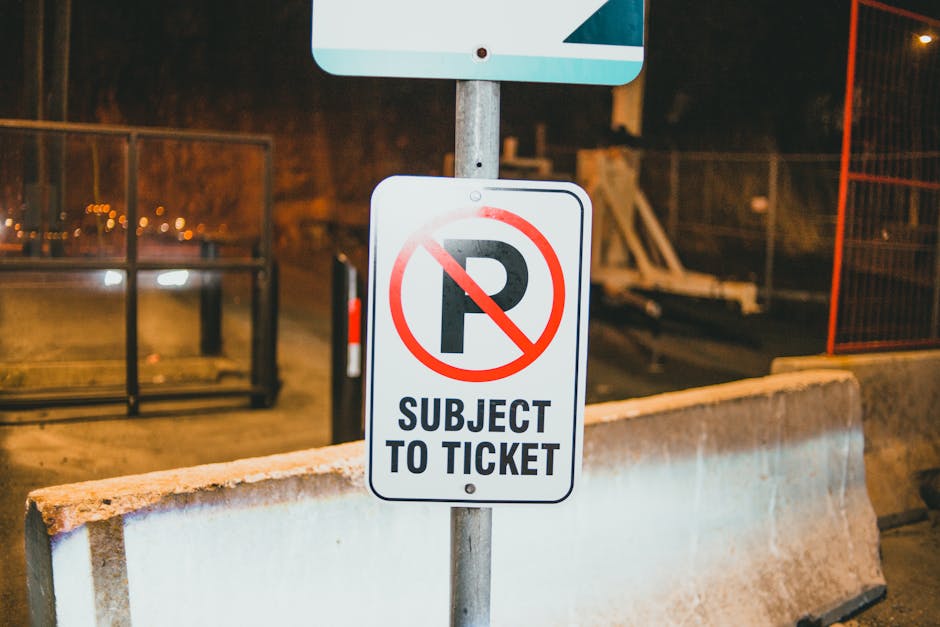
Avoid Fines: Eltham Skip Permit and Street Clearance Rules
If you are planning a skip hire in Eltham, the paperwork and pavement rules can feel like the annoying bit nobody warns you about. But getting the permit side right matters. A skip placed on a public road without the correct permission can lead to delays, complaints, or a fine you really did not need. This guide to Avoid Fines: Eltham Skip Permit and Street Clearance Rules explains the process in plain English, so you can book confidently, stay compliant, and avoid those last-minute headaches.
Whether you are clearing out a house, tackling a renovation, or managing a site that needs waste removed quickly, the basics are the same: know where the skip will sit, understand who needs the permit, and check the street clearance rules before delivery day. Sounds simple enough, but there are a few easy-to-miss details. Truth be told, that is where most problems start.
Table of Contents
- Why Avoid Fines: Eltham Skip Permit and Street Clearance Rules Matters
- How Avoid Fines: Eltham Skip Permit and Street Clearance Rules Works
- Key Benefits and Practical Advantages
- Who This Is For and When It Makes Sense
- Step-by-Step Guidance
- Expert Tips for Better Results
- Common Mistakes to Avoid
- Tools, Resources and Recommendations
- Law, Compliance, Standards, or Best Practice
- Options, Methods, or Comparison Table
- Case Study or Real-World Example
- Practical Checklist
- Conclusion
- Frequently Asked Questions
Why Avoid Fines: Eltham Skip Permit and Street Clearance Rules Matters
Skipping the skip rules is a bit like parking where you should not because "it will only be ten minutes." It rarely stays simple. If a skip goes on a public road in Eltham, the placement usually needs permission, and the vehicle delivering it may also need to think about access, safety, and where the container can legally sit. Miss those details and you risk enforcement action, extra charges, complaints from neighbours, or a wasted delivery slot.
The big issue is that road space is shared. In a busy residential street, even a well-placed skip can affect pedestrians, parked cars, bin collections, and emergency access. Councils and contractors tend to look closely at visibility, lighting, and how much room is left for traffic and footway users. In other words, the rules are there because somebody, somewhere, has already had a bad experience with a skip left in the wrong spot.
For homeowners, the risk is usually financial and practical. For builders or trades, it can also affect schedule, reputation, and site safety. A small compliance issue can ripple through the whole job. And let's face it, nobody wants a project delayed because a permit was overlooked the night before delivery.
If you are weighing up whether to place a skip on private land or on the street, it helps to think about the whole job, not just the easiest delivery point. Services like skip hire in Eltham are often used by people who need clear guidance on what can be done on-plot and what may need extra permission. That early conversation saves a lot of stress later.
How Avoid Fines: Eltham Skip Permit and Street Clearance Rules Works
At a simple level, the process works like this: if the skip stays entirely on private land, you normally avoid road-occupancy issues. If any part of the skip is placed on a public highway, you usually need permission before delivery. That can include the carriageway and, in some cases, the pavement or verge. The exact route depends on local authority requirements and the practical layout outside your property.
Street clearance rules are the other half of the picture. Even where a skip is permitted, the road and footway around it must remain as safe and usable as possible. That usually means keeping enough space for pedestrians, making the skip visible at night, and avoiding obstructions near junctions, corners, dropped kerbs, or driveways. The common-sense rule is simple: if the skip would create a squeeze point or blind corner, you need to look for another placement.
In practice, the permit application is often handled by the skip provider, but not always. Some firms include it as part of the hire service, while others expect the customer to confirm the location first. That is why it helps to read the hire terms carefully and ask one blunt question: "Will this go on the road, and if so, who is arranging the permit?" A clear answer there can prevent a lot of muddle.
One useful distinction: a skip permit is not the same thing as a general street closure or traffic management arrangement. A permit typically covers a container or temporary placement. Street clearance rules, meanwhile, focus on safe passage, access, and keeping the highway usable. Bigger jobs may need more than one type of approval, especially if there are vehicles, footpath works, or repeated collections. If the setup feels more complex than a garden clear-out, it probably is.
Key Benefits and Practical Advantages
Getting the permit and clearance side right brings more than just peace of mind. It helps the whole project run cleaner and cheaper. Here are the most practical advantages.
- Fewer delays: approved placement means the skip can arrive as planned, instead of being turned away or rescheduled.
- Lower risk of fines or enforcement: the obvious one, but worth saying.
- Better neighbour relations: a tidy, legal setup causes far less friction on a narrow street.
- Safer access: pedestrians, cyclists, and vehicles are less likely to be obstructed.
- Less project disruption: trades can keep working without awkward repositioning or complaints.
- Clearer budgeting: you can factor in permit-related steps from the start rather than absorbing surprise charges.
There is also a hidden benefit: a properly planned skip location often makes loading easier. If the container is placed with room on the correct side, waste can be carried out more efficiently, which sounds minor until you are hauling plasterboard, broken tiles, or garden rubble back and forth. On a wet afternoon, that difference feels huge.
For larger domestic clearances, it can help to pair the skip plan with other services, such as house clearance in Eltham or garden waste clearance in Eltham, depending on how much material you actually have. Sometimes the best answer is not simply a bigger skip; it is the right mix of removal methods.
Who This Is For and When It Makes Sense
This topic matters to a lot of people, not just builders. In Eltham and the surrounding area, the most common users are homeowners, landlords, tradespeople, property managers, and small contractors working on modest to medium-scale jobs.
You likely need to think about skip permits and street clearance if you are:
- clearing out a loft, garage, garden, or whole property
- renovating a kitchen, bathroom, or extension
- managing a landlord void or post-tenancy clearance
- running a shop fit-out or small commercial refurbishment
- working on a site where vehicles cannot easily enter the driveway
- dealing with bulky mixed waste that will not fit in a car or bags
It also makes sense if your driveway is too short, shared, sloped, blocked, or simply unavailable. In these cases, the temptation is to "just put the skip on the road for a couple of days." That is exactly where trouble starts. Better to know upfront whether the location needs permission and whether the street can safely take the load.
Families often discover this the hard way during spring clear-outs. One minute you are sorting old toys and flattened cardboard; the next minute the skip lorry is booked for Tuesday morning and you are wondering if the front bay can take it. The answer might be yes, but only after a quick check. Never assume.
If your job sits between domestic and trade work, the safest route is to speak with a provider that can explain local requirements plainly, rather than hiding behind vague "we'll sort it" language. A good provider will help you think through access, location, and timing. That is a real service, not just an extra box to tick.
Step-by-Step Guidance
Here is a straightforward way to manage the process without overcomplicating it.
- Check where the skip will sit. Private driveway, front garden, forecourt, road, pavement, or verge all raise different questions.
- Measure access properly. Make sure the lorry can deliver and collect without blocking too much traffic or damaging surfaces.
- Confirm whether permission is needed. If the skip touches public highway space, assume a permit may be required until proven otherwise.
- Ask who arranges the paperwork. Some hire firms handle the application, others need you to do it.
- Plan for visibility and safety. Consider cones, lights, or reflective markings where appropriate.
- Book the delivery window carefully. Avoid school-run chaos, bin days, or times when the street is already congested.
- Load the skip correctly. Keep waste below the top edge and distribute it evenly.
- Arrange collection on time. Do not leave a skip sitting longer than needed, especially if it occupies road space.
A practical tip: take a quick photo of the intended placement before delivery. If anything changes on the day, you have a reference point for discussing it with the driver or the hire team. It sounds minor. It saves arguments.
Another useful habit is to check nearby parking patterns. In some Eltham streets, the issue is not the skip itself but where everyone else tends to park. If a skip arrives just as residents come home, things can get tense very quickly. Good timing helps more than most people realise.
Expert Tips for Better Results
If you want the whole process to go smoothly, think like the person who has to deliver and collect the skip. That mental shift helps a lot.
- Choose the least disruptive location. Even if the road is technically possible, a driveway or private forecourt is usually easier.
- Leave working room. A skip that fits "just about" often causes trouble when the lorry arrives.
- Ask about hire duration early. Permits and hire periods sometimes need aligning, and the mismatch can be annoying.
- Match the waste type to the job. Mixed waste, soil, hardcore, green waste, and bulky items may have different handling expectations.
- Use clear communication with neighbours. A quick heads-up can reduce complaints, especially in terraced streets.
- Keep the skip tidy. Overfilling creates collection and safety problems. It also looks careless, which is never ideal on a shared street.
One small but helpful habit is to think in terms of "street friendliness." Is the skip visible? Is it blocking sightlines? Can people pass safely with a pram or mobility aid? If the answer is no, revise the plan. That mindset is often the difference between an easy hire and a problem.
To be fair, most people are not trying to bend the rules. They are just in a hurry. But rushed decisions are where fines and extra charges tend to appear, usually at the worst possible time.
Common Mistakes to Avoid
Most avoidable skip problems come from a short list of familiar mistakes. None of them are unusual, which is why they catch people out.
- Assuming the skip can sit on the road without permission. This is the big one.
- Leaving the booking until the last minute. Permit timing and delivery timing need breathing room.
- Choosing a poor location. Corners, junctions, and tight bends are asking for trouble.
- Forgetting about lighting. A skip that is obvious in daylight can be much less obvious at dusk.
- Overfilling the container. That can stop collection and may create safety issues.
- Ignoring access for collection. If the truck cannot reach the skip later, the job stalls.
- Not checking for parked cars. A perfectly legal plan can fail if the street is full on delivery day.
There is also the classic "someone else will sort it" mistake. Maybe the builder assumed the homeowner arranged the permit. Maybe the homeowner assumed the skip company had done it. Maybe everybody assumed. Then, on the morning of delivery, nobody has the paperwork. That sort of confusion happens more often than people admit.
If you want to avoid that, make one person clearly responsible for the permit decision and another for confirming the skip location. Simple, but effective.
Tools, Resources and Recommendations
You do not need fancy tools to manage this well, just a few sensible checks and the right information to hand.
Useful things to have before you book:
- the exact address and postcode
- a photo of the proposed skip location
- approximate measurements of driveways or frontage space
- a rough idea of waste type and volume
- preferred delivery and collection dates
- notes on nearby hazards, parking pressure, or access restrictions
It also helps to compare your waste plan with the sort of service you actually need. For example, if the job involves mostly household clutter, a general skip may be fine. If you are handling a bereavement clearance or a full property reset, a service such as bereavement clearance in Eltham may be more appropriate. Different jobs, different shape of solution.
If your work includes regular waste movement or a bigger renovation, you may also want to read more about construction waste clearance in Eltham and rubbish removal in Eltham. Those pages can help you compare options when a single container is not the best fit.
A final recommendation: keep a short written note of the plan. Who booked, where the skip goes, whether a permit is needed, and when collection happens. It is old-school, but it works. A phone note is enough.
Law, Compliance, Standards, or Best Practice
When discussing skip placement on a public road or pavement, the safest approach is to treat compliance as part of the hire, not an afterthought. In the UK, local authority requirements can vary, so what is acceptable in one place may not be acceptable in another. That is why local knowledge matters so much.
Best practice usually includes the following:
- confirming whether the skip will be on public or private land
- securing any required permit before delivery
- keeping the skip positioned so it does not create an avoidable hazard
- using lights or reflective markings where needed
- maintaining access for pedestrians, vehicles, and emergency services
- avoiding placement near junctions, crossings, or tight bends where visibility is poor
There may also be insurance and duty-of-care considerations, especially for commercial users. If a contractor places or manages a skip, they should think not just about the permit but about site risk, traffic flow, and safe loading. That is standard good practice, really, though it is often only noticed when something goes wrong.
One thing worth saying carefully: the exact legal requirements can depend on the street layout, the type of highway, and the local authority's conditions at the time of application. So while general guidance is useful, it is no substitute for checking the current setup for your specific address.
Options, Methods, or Comparison Table
Here is a practical way to compare common skip placement and waste-removal options.
| Option | Best for | Permit likely needed? | Main advantage | Main drawback |
|---|---|---|---|---|
| Skip on private driveway | Homes with clear access | Usually no | Easier, simpler, less admin | Needs enough space and clearance |
| Skip on public road | Properties without driveway access | Usually yes | Convenient when frontage is limited | More rules, more risk, more planning |
| Skip on pavement or verge | Some constrained streets, where allowed | Often yes | Can solve access problems | May be restricted by safety or local conditions |
| Rubbish removal service | Smaller or mixed clearances | Typically no skip permit issue | Less street clutter | May be less efficient for larger volumes |
| House clearance service | Whole-room or whole-property clear-outs | Depends on method and vehicle placement | Hands-off and thorough | May not suit trade waste or building debris |
This comparison is not about one option being "better" than another. It is about fit. A tiny rear-access property in Eltham has different needs from a wide front drive or a main-road terrace. The best choice is the one that keeps your job legal, tidy, and realistic.
Case Study or Real-World Example
Here is a typical local scenario. A homeowner in Eltham is renovating a bathroom and clearing out old fittings, tiles, and packaging. The driveway is short and already partly used by a parked car. The front street is narrow but manageable. At first glance, the simplest plan seems to be placing the skip on the road outside the house.
Then the practical checks begin. A neighbour parks tightly in the evening. The road curves slightly near the property, so visibility matters. Delivery day also falls near a bin collection window. Suddenly the "simple" option is not so simple.
By stepping back and checking the access, the homeowner realises that shifting the car for two days and using the driveway would avoid permit complications entirely. The skip still fits, the contractor has clear access, and there is no need to occupy public highway space. The result? Less admin, fewer risks, and a smoother job.
That is the kind of choice people often make only after they have done a little planning. A small decision at the front end can save a lot of hassle later. Not glamorous, but very real.
In other cases, the road placement is unavoidable. When that happens, the job is not to hope for the best, but to manage the details carefully: permit, visibility, timing, and clear communication. Do that, and the project usually moves along without drama.
Practical Checklist
Use this quick checklist before you confirm your skip booking.
- Have you checked whether the skip will sit on private land or public highway space?
- Do you know who is arranging the permit if one is needed?
- Have you confirmed the delivery date, collection date, and likely hire period?
- Is the access route wide enough for the lorry?
- Will the skip block driveways, crossings, junctions, or footpath flow?
- Have you checked for parked-car pressure on the street?
- Is there enough room to load waste safely without overfilling?
- Do you know what type of waste you are putting in the skip?
- Have you taken a photo or written note of the intended position?
- Have you considered whether a different waste service might be better?
If you can tick all of those off, you are in a much stronger position. If not, pause for a moment. A five-minute check now is far cheaper than a rushed fix later.
Conclusion
Avoiding fines is not really about memorising every rule. It is about planning the skip properly, checking where it will sit, and treating street clearance as part of the hire rather than a loose afterthought. In Eltham, that is especially important where roads are busy, parking is tight, and frontage space is limited.
The good news is that most problems are preventable. Confirm the placement early, ask direct questions, keep the street safe and usable, and choose the waste solution that matches the job. Simple steps, but they make a proper difference. And once you have done it once, it gets easier the next time. Much easier, actually.
If you are still deciding between placement options or want a clearer idea of what your project needs, speak with a trusted local provider before booking. A calm, practical conversation now can save time, money, and a lot of back-and-forth later.
Get a free quote today and see how much you can save.
Frequently Asked Questions
Do I need a permit for a skip in Eltham?
If the skip is placed entirely on private land, such as a driveway or forecourt, you may not need a permit. If it goes on a public road, pavement, or verge, permission is usually required. The exact requirement depends on the location and local authority rules.
Who usually arranges the skip permit?
Often the skip hire company will arrange it, but not always. Some providers include this service, while others ask the customer to confirm details or apply separately. Always ask before you book, because assumptions are where people get caught out.
How long does a skip permit take?
Timing can vary, and it is best not to leave it until the last minute. Permit processing is not something you want to gamble on the day before delivery. Build in enough time so the booking and the permit line up neatly.
Can I put a skip on the pavement?
Sometimes this is possible, but it depends on local rules, space, and safety considerations. Pavement placement can create access issues for pedestrians, pushchairs, and wheelchair users, so it needs careful checking.
What happens if I put a skip on the road without permission?
You may face enforcement action, removal issues, extra charges, or a fine. Even if the skip is only there briefly, it is still not worth the risk. Better to sort the permission first.
How do I know if my street is suitable for a skip?
Look at width, parking pressure, turning space, nearby junctions, and whether the delivery lorry can stop safely. If the street already feels tight with cars parked, it may be a poor fit for a roadside skip.
Can a skip block my driveway or a neighbour's access?
It should not. Access matters, and any obstruction can create complaints or even stop the delivery. A good placement should leave safe, practical access for homes, vehicles, and pedestrians.
What is the difference between a skip permit and street clearance rules?
A permit gives permission to place the skip on public highway space. Street clearance rules are about keeping the area safe, passable, and sensible for road users. One is about approval, the other is about safe use.
Is a skip always the best option for waste removal?
Not always. For smaller loads, rubbish removal may be simpler. For full-property clearances, house clearance might be better. For mixed waste, a skip can be very practical. It really depends on the job size and access.
Can I fill the skip above the top edge?
No, that is usually a problem for collection and safety. Overfilled skips can be unsafe to transport and may not be taken away until the load is corrected. Keep waste level and evenly distributed.
What should I do if parking changes after the skip is booked?
Tell the provider as soon as possible. A street that seemed clear on Monday can be completely different by Thursday, especially in residential areas. Early communication gives you the best chance of solving it cleanly.
How can I avoid neighbour complaints?
Give people a quick heads-up, keep the skip neat, avoid blocking access, and arrange prompt collection. A bit of courtesy goes a long way on a quiet street. Honestly, it usually makes life easier for everyone.
What is the safest first step before booking?
Check the intended placement and ask whether a permit is needed. That one step tells you almost everything else you need to know, and it prevents awkward surprises later.